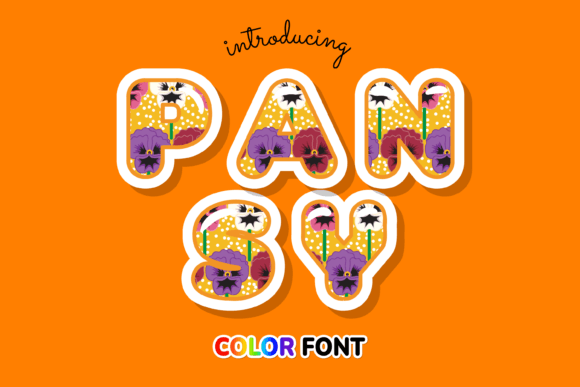
Pansy: A Modern Color Font for Vibrant Design
In the ever-evolving landscape of graphic design, typography is a cornerstone of visual communication. The right font can elevate a project from ordinary to extraordinary, and the Pansy color font represents a significant leap in typographic possibility. Inspired by the delicate beauty of the Viola flower, Pansy is not just a typeface—it's a complete visual system. As an OpenType-SVG color font, it embeds rich, multi-tonal color directly into each glyph, allowing designers to apply complex, pre-designed color palettes with a single click. This innovation is transforming workflows in branding, digital marketing, and creative content creation.
Understanding the Pansy Color Font
Pansy is an incredibly cool color font designed in the style of Viola. Whether you use it for custom designs, DIY crafts, or just any creation that requires a lovely touch, this font will be an amazing choice. It's crucial to note that this is a color font (Opentype-SVG), meaning it's compatible with professional software like PhotoShop, Illustrator, Silhouette, and Inkscape. The standard OTF or TTF files are not compatible with Cricut machines, a key consideration for crafters and makers. For a deeper dive into utilizing this technology, resources like an Ultimate Font Guide are invaluable.
Practical Applications Across Creative Projects
The unique value of Pansy lies in its ability to inject instant personality and visual depth. Its application spans a wide range of professional and personal projects:
- Branding and Logo Design: Use Pansy to create a distinctive wordmark that stands out in a crowded market. Its built-in color gradient effect can help define a brand's color palette and convey a specific mood, from playful to elegant.
- Social Media Graphics: In the fast-paced world of digital marketing, grabbing attention is paramount. Pansy can make headlines, quotes, and call-to-action text pop in Instagram stories, Facebook posts, and Pinterest pins, improving user engagement.
- Web and UI Design: When used thoughtfully, a color font like Pansy can enhance visual hierarchy in hero sections, buttons, or promotional banners, guiding the user's eye and enriching the overall user experience.
- Packaging and Print Design: For product labels, invitations, or editorial layouts, Pansy adds a tactile, artisanal quality that communicates care and creativity, strengthening the unboxing experience and brand perception.
Tips for Effective Typography and Asset Selection
Integrating a specialty font like Pansy into your design workflow requires strategic thinking to ensure it enhances rather than overwhelms your project.
- Prioritize Context and Readability: While stunning, Pansy's detailed color rendering is best suited for larger text like headlines, logos, or display type. For body copy, pair it with a clean, highly legible sans-serif or serif font to maintain readability and balance.
- Ensure Software Compatibility: Always verify that your design software supports OpenType-SVG fonts before purchasing or starting a project. This prevents workflow interruptions and ensures the font's color features are fully accessible.
- Align with Brand Identity: The aesthetic of Pansy should complement your brand's core values and audience expectations. It’s a powerful asset for brands aiming for a modern, creative, or nature-inspired aesthetic. Test it against your existing visual assets to ensure consistency.
- Consider Scalability: Color fonts can be larger in file size. For web design, consider performance implications and use them strategically in key areas where visual impact is critical, rather than site-wide.
Ultimately, the strength of any design project lies in the thoughtful selection and combination of its elements. Typography, color, and composition work in concert to create a polished, professional result that communicates effectively. Investing in high-quality, versatile creative assets like the Pansy font is an investment in your brand's visual language and creative potential. By understanding its capabilities and applying it with intention, designers and creators can unlock new dimensions of beauty and clarity in their work, ensuring their message is not only seen but felt.